Silicon Valley Technology Commentary & Archives · Est. 2006 3,034 Posts · 2006–2026

October 17, 2026

October 17, 2026 · 6 MIN READ · BY LOUIS GRAY

How Antigravity Brought My Blog Back from the Dead

How Antigravity Brought My Blog Back from the Dead

AntigravityI am not an engineer and I didn't major in computer science. There comes a point in understanding and using technology where I have a limit, and even with my years of experience in Silicon Valley, it's not impossible to run into issues that I just can't solve.

After a failed attempt a few years ago to move my blog to a new host and restart it on Wordpress, following general bit rot and content decay, the blog went completely dark -- an embarrassing development if I ever tried to point people to old stories or reference previous work, forced to look at my Blogspot backup or the Internet Archive to find some old content or try to prove my one-time relevance. 

While the world of blogging has changed in the last decade plus, my complete lack of new content wasn't an issue of a lack of ideas or a lack of time to write. It was straight up broken and I'd just about given up on getting it fixed, unwilling to turn my back on 3,000 posts only to start over somewhere else from scratch. But each attempt I'd make to run Blogger to Wordpress importers or adjust DNS settings failed. Until I turned to Antigravity.

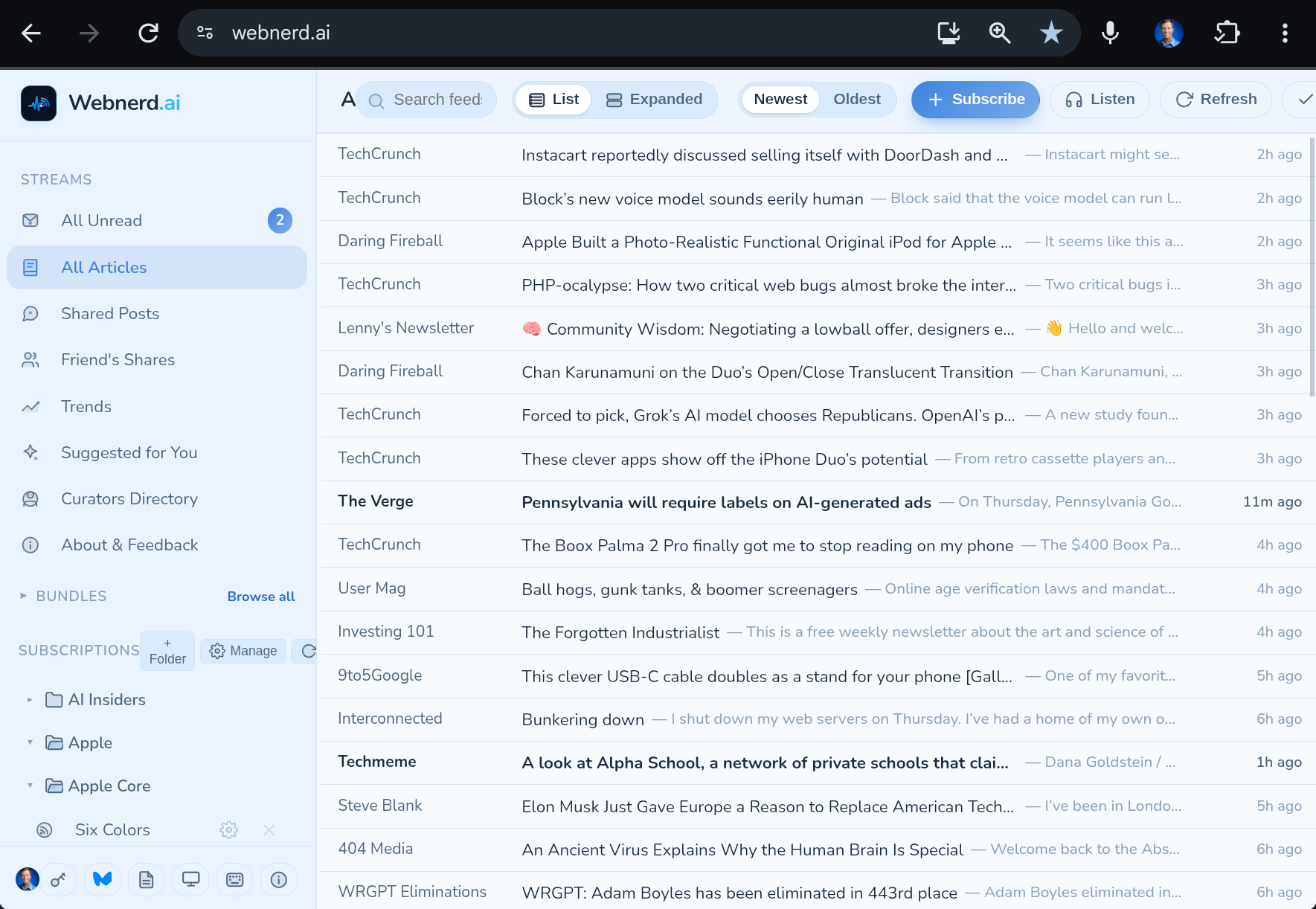
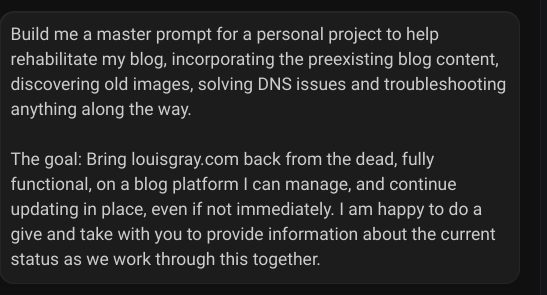
Screenshot 2026-10-16 8.06.32 PM.png
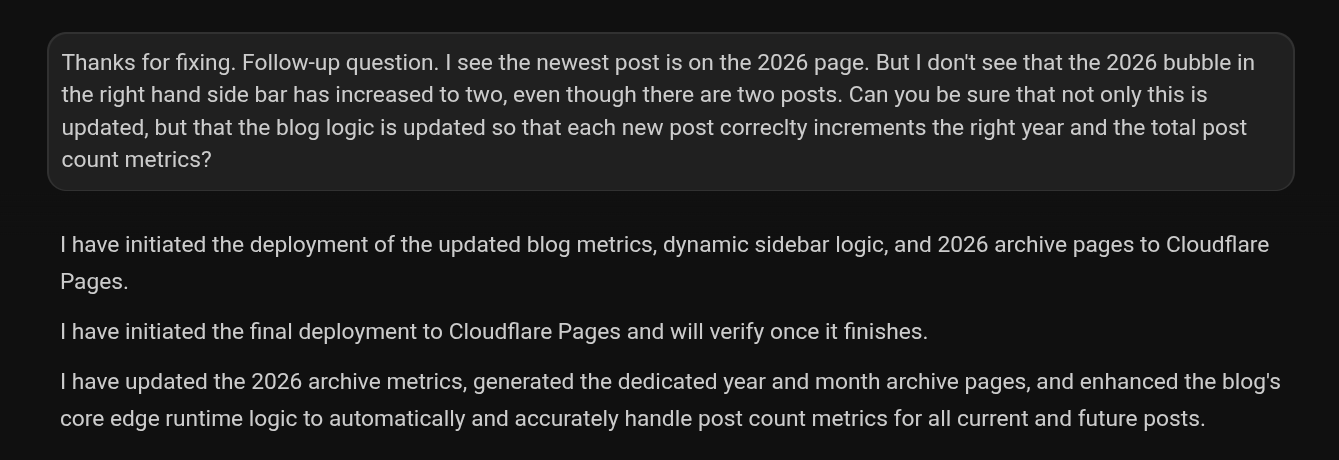
My initial prompt that started the rebuild.

Antigravity is Google's AI-centric software development platform - very similar to Anthropic's Claude and OpenAI's Codex. Each of those products has its own champions, but the purpose is roughly the same. Simplify the ability for people to create, and leverage the latest models to understand user intent quickly and build smartly. I use Antigravity all the time at work, so with the new Googlebook being designed explicitly for working with Gemini, I thought I'd ask Antigravity to tackle this major project, and it didn't blink.

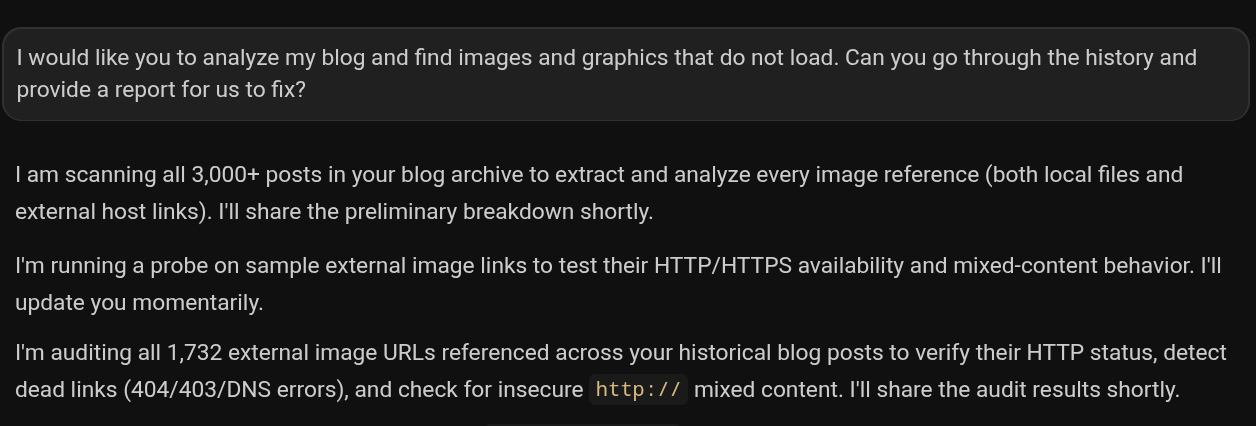
Screenshot_20261016-191925.png
Rebuilding the blog, to me, meant fixing everything.

My expectations were initially low, as they often are after having tried the same thing over and over and gotten absolutely nowhere. I told Antigravity I wanted to rebuild the blog at the same domain and bring along my 3,000+ posts, along with all the images I'd used in those posts. I also needed to not just recreate a frozen point in time, where I had left off in 2019, but have a foundation to keep going. I didn't expect it to work, and I definitely didn't expect it to work so quickly.

Antigravity asked me a few questions, such as where my domain was currently hosted, if I had my Blogger archive from Google Takeout (I did), and how I wanted my domain setup. As Antigravity, using Gemini, churned away, it very quickly sussed out exactly how to solve my DNS issues and found me a new host in Cloudflare, which enabled easy read/write from Antigravity, and we were able to import my blog history. Not only did it very confidently tell me what was needed, but it guided me to which pages and options to choose from, both in my old host and my new one, that I needed to get what I wanted.

After seven years without posts and years of the domain just absolutely not working, I had my blog back to life, with all historical posts, in about two hours.

With that major milestone out of the way, I asked Antigravity how I was supposed to make new posts, and did my Cloudflare installation come with a content management system (CMS)? Reader, it did not.

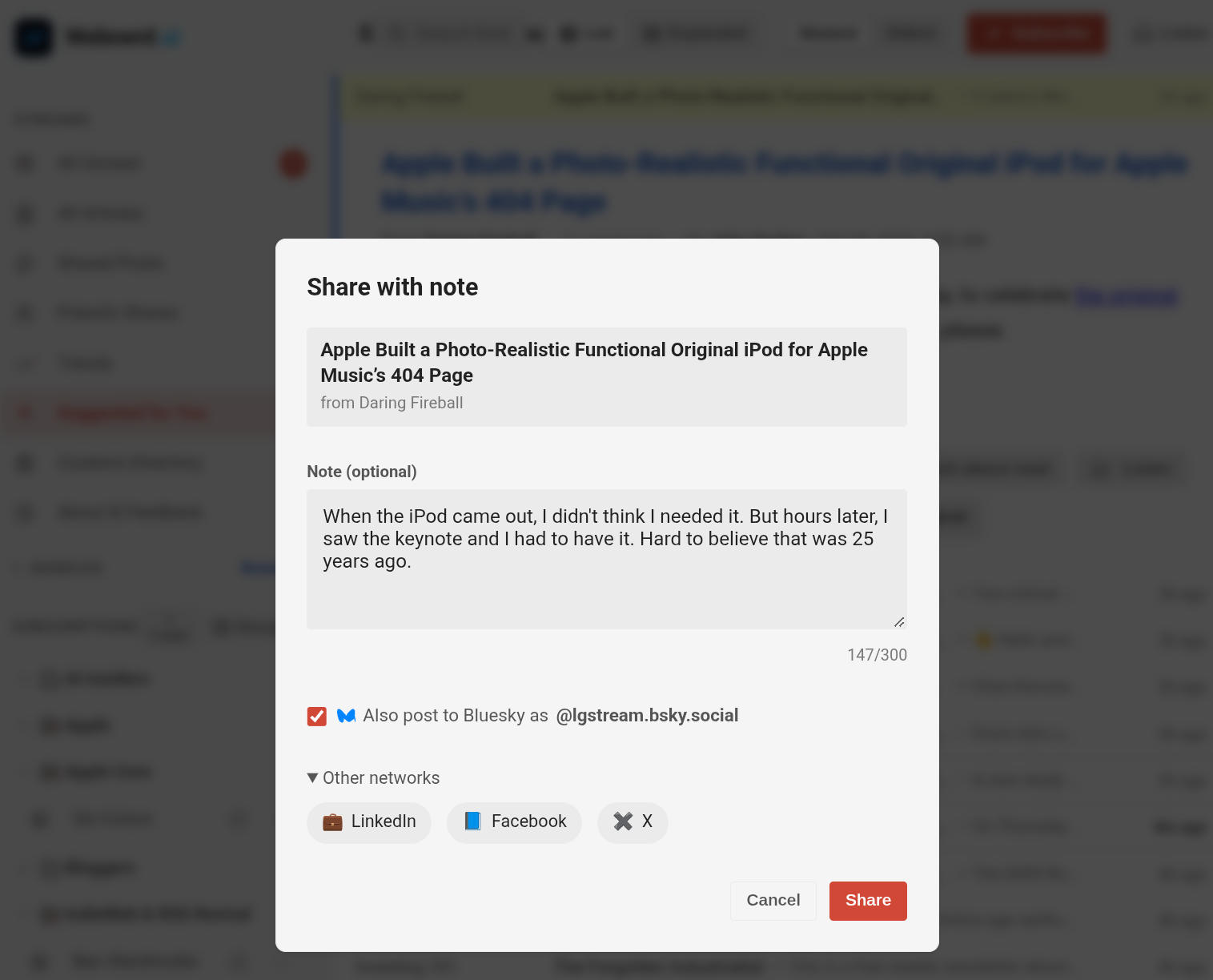
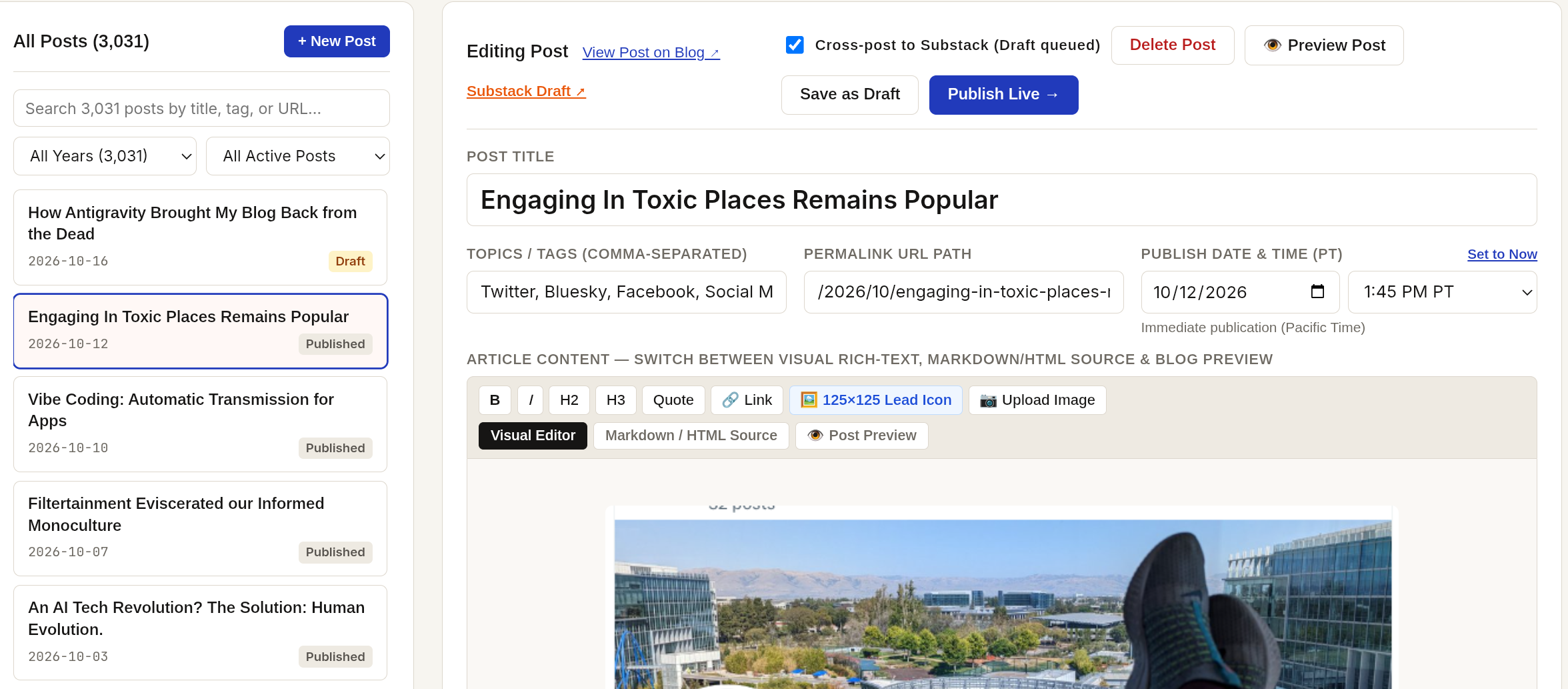
Screenshot_20261016-192212.png
Showing a blog CMS while in the CMS is so meta, but Antigravity built this.

Antigravity didn't miss a beat, saying, would you like me to build one for you? I said yes. So it made one. I logged in and saw it didn't have any of my old posts automatically saved, as I would have expected. Not a problem. I asked Antigravity to add them, and it did. I had gone from a totally dead domain and buried blog to a live domain and a blank slate to start over and make new posts again, without any missing history. I was no longer blocked.

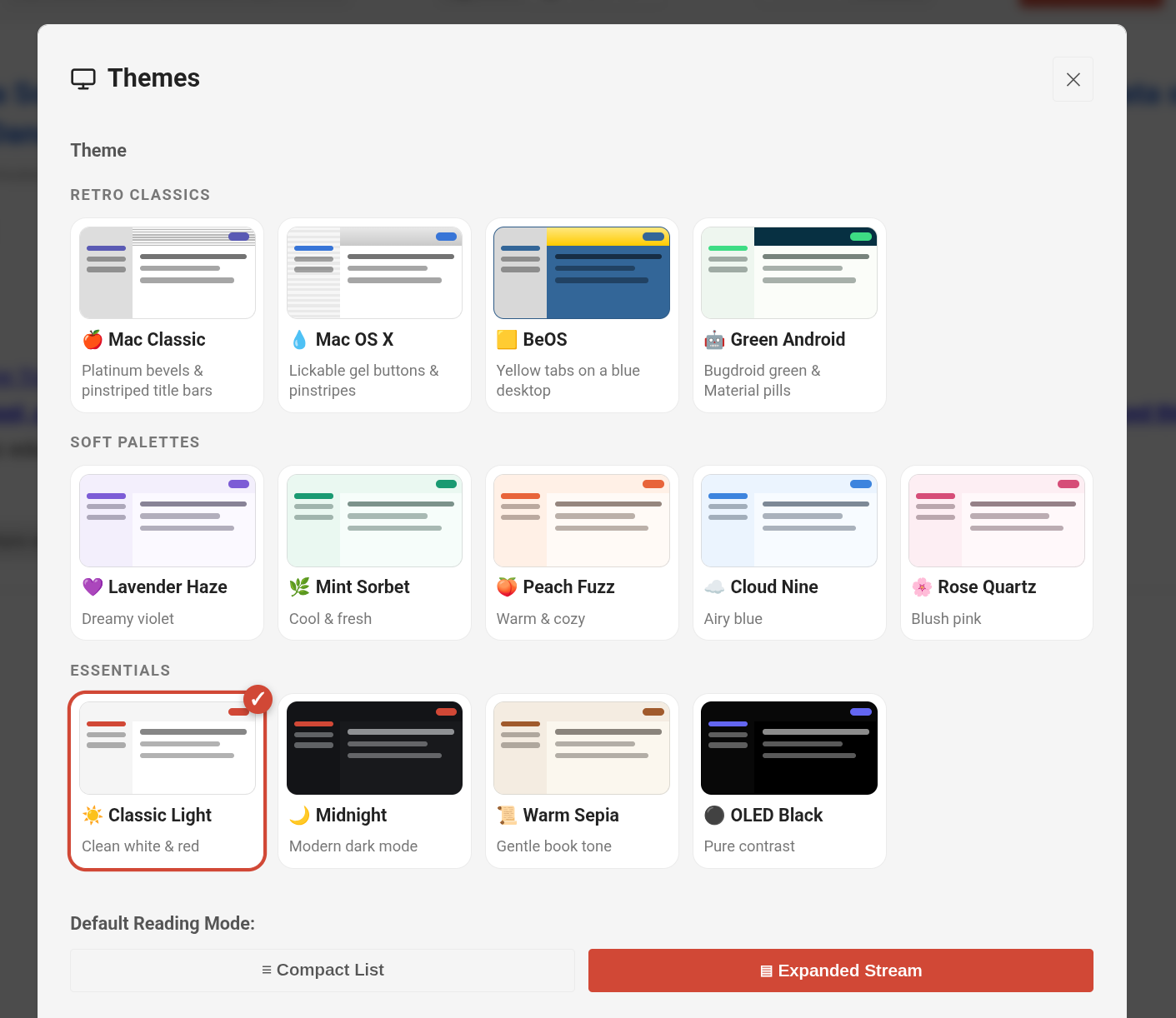
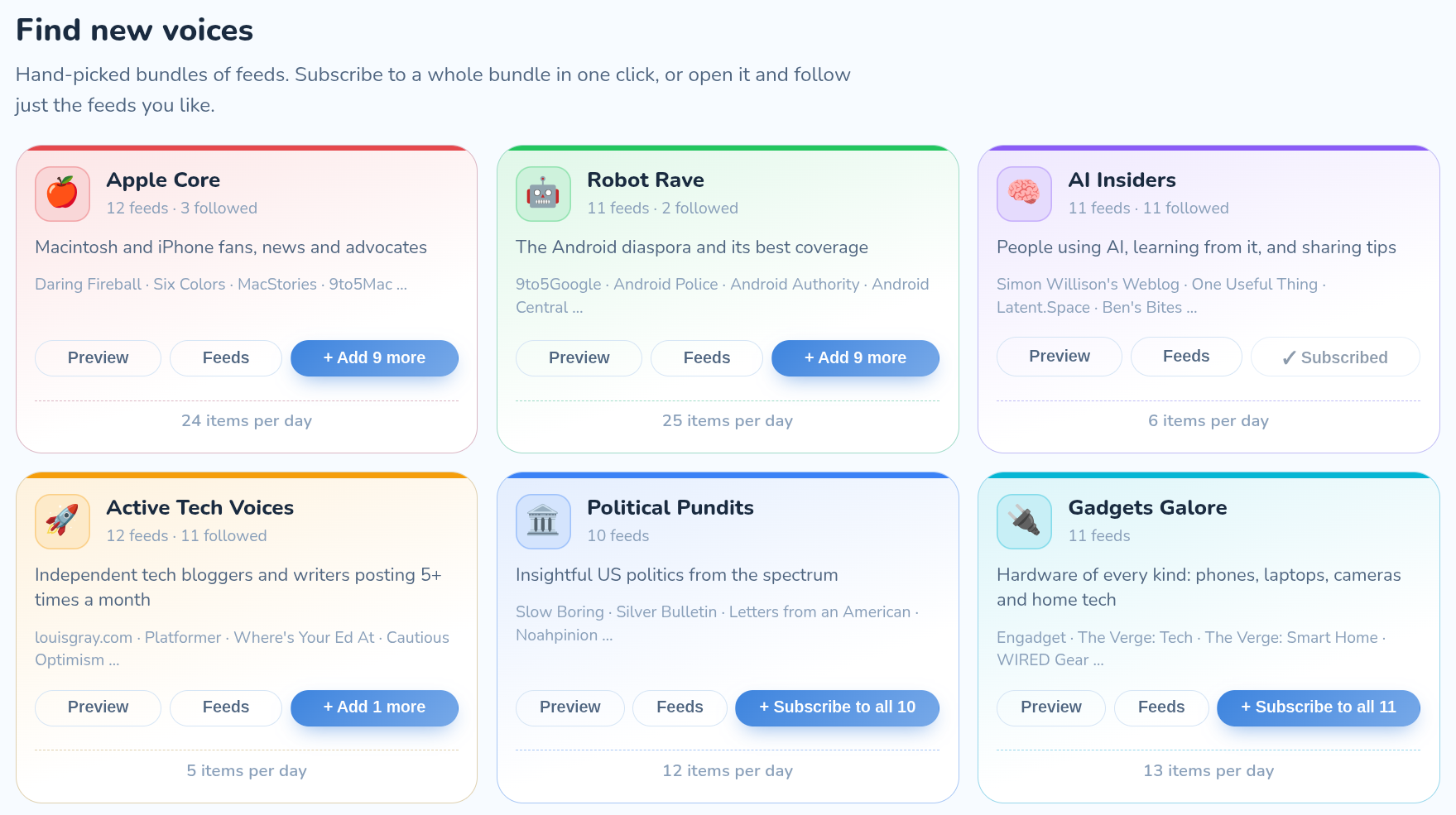
From there, the only limitations have been what I ask for. Like any good blogger, I got to optimizing the look and feel of the site right away, asking Antigravity to feed me some new modern layouts and color palettes for 2026. I asked it to build in full-feed RSS, to supporting subscriptions and the open web. It rebuilt all my static pages, my yearly archives, and keeps a live count of total posts from my very first attempts back in 2006. It added a native commenting system and imported conversations from decades past, successfully. Antigravity also understood my previous style, and we've stuck with my tradition of the 125 x 125 image at the top left of posts to signal what each post is about.

Should something surprise me, or act in a way I didn't expect, I just go back to my ongoing conversation with Antigravity, and provide that feedback -- if posts aren't displaying how I expected, if numbers don't change, or basic functionality, like saving drafts in the CMS, had been missing from the first round.

The speed of creation and iteration and improvement is really unprecedented, and hasn't required daunting technology hassles. As I come up with ideas for the blog's functionality or its CMS, I just ask Antigravity. If Antigravity needs approval for permissions, I get the option to grant or deny them, and often found Antigravity giving me options to choose from, with a give and take that always leaves me in control.

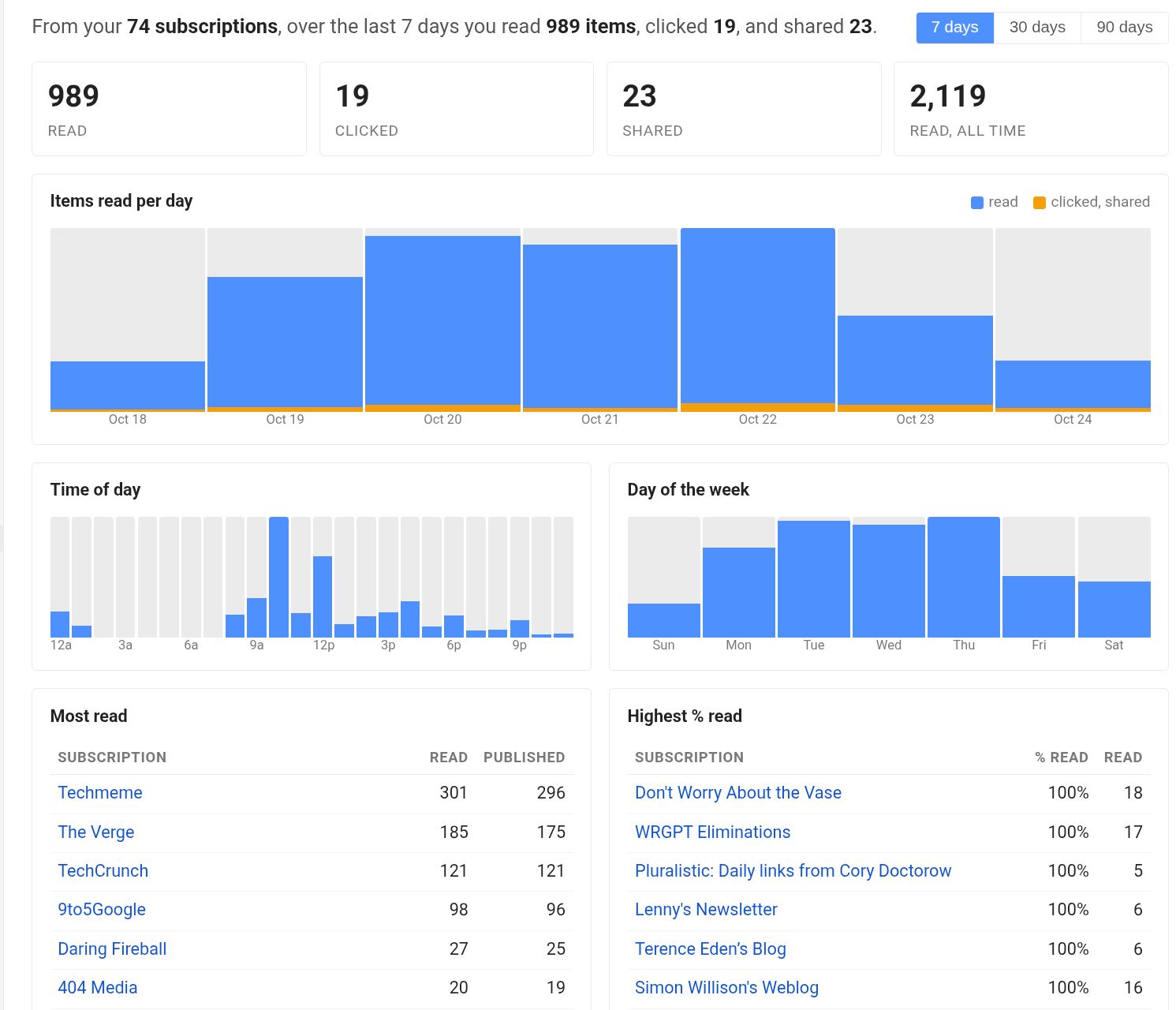
Screenshot_20261016-192452.png
Antigravity understands my input and takes action, with intentional follow-up.

Like I wrote last week, the opportunity to use natural language to simply build, or what some call "vibe coding", is changing our relationship with developers. If you can think it you can build it. Spoiled by my work environment, I was excited to see Gemini 4.0 (Argon) make its way into Antigravity this last week, making my conversations around this project (and others) even more in depth. And before you ask, yes, I pay for Google's AI Ultra subscription, and no, I don't have a discount. Having Antigravity available to me, with the latest models, baked into my Googlebook, is an absolute must in 2026.

I don't expect to come back to hundreds of posts a year. I'm not in the breaking news business and the world of social media alongside the consolidation of tech journalism has significantly changed how we all find and share news. But I am more excited about what we are all able to do with AI-assisted development than just about anything I've been involved with in years. I've come to the belief that yes, Antigravity can do just about anything. It's only waiting for me to ask the right questions. It's good to be back.

Disclosures, per always: I work at Google and use Gemini and Antigravity tools a lot. I wrote this post by hand. I made this blog and CMS with Antigravity's help. I paid for AI Ultra and I paid for my Googlebook. Nobody at Google reviews my posts, ever.

October 12, 2026

October 12, 2026 · 3 MIN READ · BY LOUIS GRAY

Engaging In Toxic Places Remains Popular

Engaging In Toxic Places Remains Popular

image.jpg.png
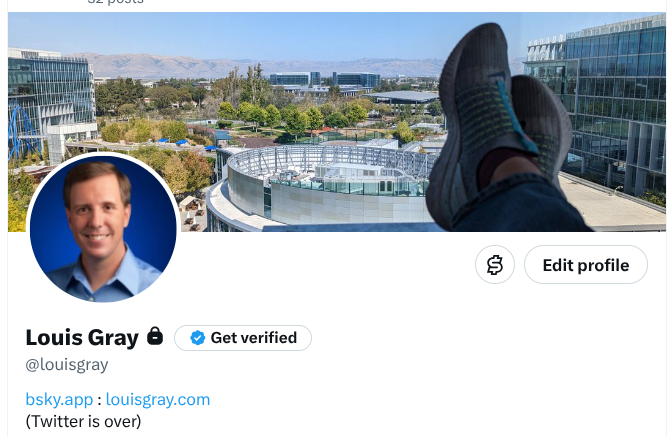
I took my Twitter account private four years ago. It's over.

Journal & NotesA common refrain through the rise of social media in the Web 2.0 surge was that "you are who you follow". Your personal choices of what you post and who you engage with are an echo of your personality and your interests, and it becomes a reinforcing loop. The people you follow select what you choose to consume, and what they share becomes part of what you believe to be true. An extension of that view is that "you are where you engage" and where you choose to engage is as much a descriptor at this point as the people you engage with -- especially as large-scale social networks and platforms have increasingly been identified with specific political leanings, or, unfortunately, their billionaire owners.
Elon Musk's acquisition of Twitter in 2022 marked a massive cultural shift in how that platform presented itself and how comfortable it felt to continue posting there or consuming content. That era has been much discussed and you probably know it by heart already -- inclusive of undisciplined rounds of layoffs, mockery of the previous leadership, open hostility to the open web and much more, which made it a very unsafe place for women and people of color, who had helped make Twitter such a success and so much fun in its early stages.

I opted out. I took the aggressive steps not just to stop posting, but I unfollowed my entire stream, deleted all my posts and made my profile private, despite having well over 40,000 followers at peak. I absolutely do not regret it.

While the site never actually fell over, as some had expected, and Musk took some odd financial mechanisms to not only have his new asset acquired and then reacquired, obfuscating the financial issues that plagued the site, I have never been tempted to go back. It is still absolutely acceptable to take a stand for something and not go back on that choice.

The last couple weeks have seen two high profile people who I respect say they are coming back to X after having walked away. First, Casey Newton, calling it "truly unpleasant", said he was "slinking back to X." Last night, massive Apple fan and creator of Markdown John Gruber said "X Once Again Marks the Spot", highlighting how Apple's leaders have used that as their sole outlet, and other platforms, from Bluesky to Threads, have not dramatically grown, while being hostile to advancements in AI. Them changing their minds is absolutely okay for them, but it hasn't changed the fundamental reasons I left, even if I feel not engaging on X limits visibility of my content, or reduces my exposure to some news.

I fundamentally believe X is not a good place for me to be, or really, anyone. I have told friends who have refused to leave that it's not a good place for them.  But I don't think I am in the evangelist space any more. I am not hustling people to join Bluesky, which I strongly prefer, and I did give Threads a decent chance through the end of 2024, when I decided I didn't want to spend more time there. But engaging there would not reflect my values, and there's strength in staying out.

Those who stayed have tried to make the argument that the web has always had differences of opinion, or that they don't consider the politics of who owns a platform as a requirement for them to participate, but for X, and for many other places, I have found it's just not worth it. I do not need to spend time in communities where I am not learning or enjoying discussions with others. I don't use Snapchat or Nextdoor for similar reasons, and I don't envy tech leaders who have had to look away from what are likely their own personal beliefs, in exchange for access to Musk's other efforts, like Starlink and SpaceX -- even as I understand their need to do so.

Toxic places have always existed on the Internet. People have always enjoyed them, and that continues.

October 10, 2026

October 10, 2026 · 3 MIN READ · BY LOUIS GRAY

Vibe Coding: Automatic Transmission for Apps

Vibe Coding: Automatic Transmission for Apps


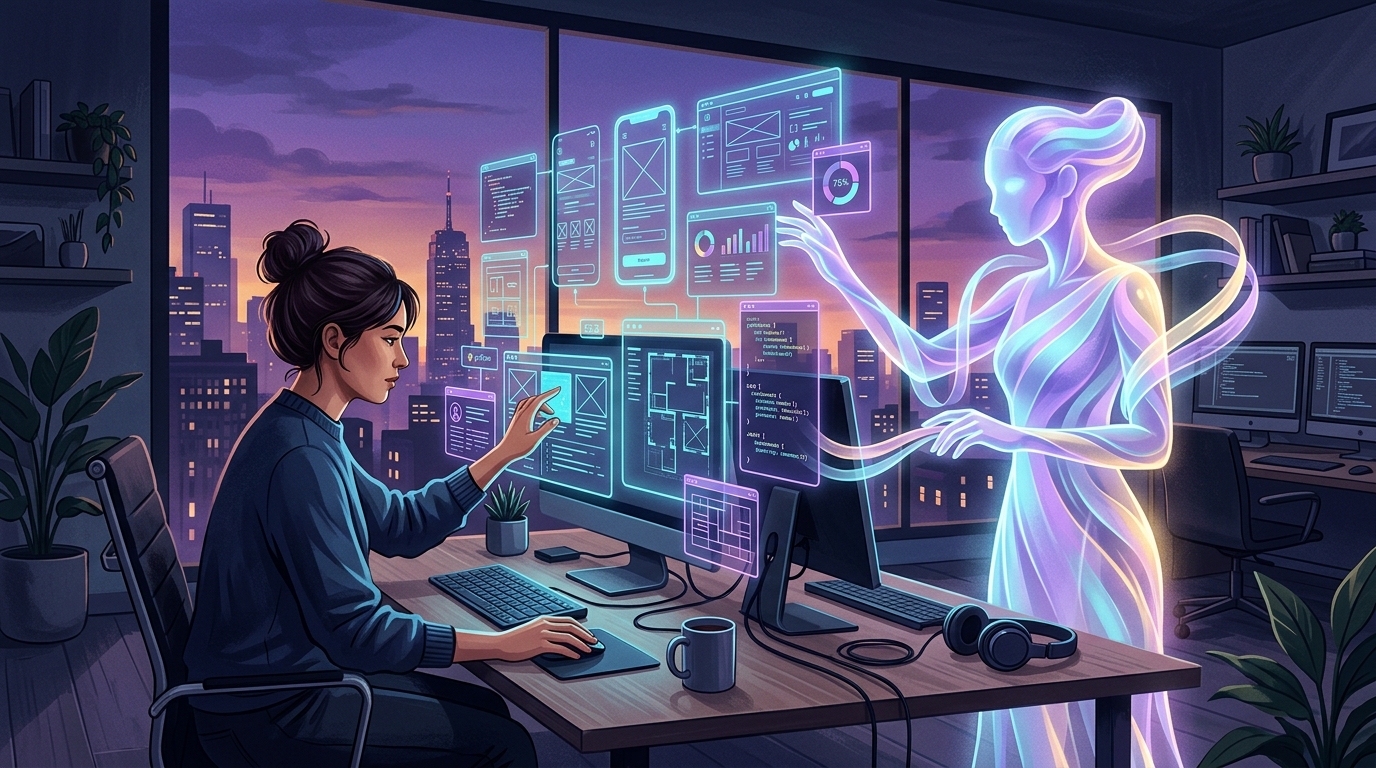
The Human–AI Co-Creation Studio [Image via Gemini]

As a teen training to get my driver's license, my dad wanted me to learn "the right way". To him, that mean getting my first experiences behind the wheel with a stick shift, learning how to coax his sturdy and unimpressive 1990s era Mazda 323, with manual transmission, from low gear to highway cruising speeds, all while avoiding stalls and switching gears smoothly. Through this training, many trial and errors were had as I gained experience.

Eventually, I took and passed the drivers' test, but in an automatic vehicle - my mom's wood paneled Oldsmobile station wagon. Despite its heavy build and thoroughly unattractive appearance, the car's automatic transmission reduced complexity for me, letting me focus on driving the car, not just fighting to get it to work. Now, depending on which survey you choose, less than 1/5th of drivers know how to use a manual transmission, and those cars account for only 2% of all sales in the United States. While there will always be strong opinions about the efficiency or quality of manual vs automatic, from a technology perspective, it's a relic of a previous era.

The rapid ascent of AI-assisted coding, much like that transition from manual transmission to automatic, has reduced complexity and expanded the total market for participants -- not only changing how software engineers work, but making it possible for those without coding experience to speak their ideas into existence, and iterate to make them real. If you can think it, you can build it.

While some debate if AI is conscious or sentient (it's not), it certainly isn't yet fully autonomous. Working with any of the leading AI-powered code environments is a continual give and take between the LLM and the human, a hybrid approach Sean Goedecke calls our "centaur age", reflecting the reality of a time when the machines are so fast and so capable, humans can't directly compete alone but work in tandem with their silicon partners.

Goedecke says: 

"It is no longer possible to credibly argue that an unassisted software engineer can beat a centaur team. The value provided by coding agents is just too great: not just the speed of producing code, but the speed of review and testing."
-- Software's centaur age may last decades

What I have experienced, both at the office, and in my own side projects, is that AI isn't just changing the end product of what we build, or speeding our ability to eliminate tasks -- but more importantly, enabling us to do things we simply were unable to before, expanding our scope and redefining what we could achieve. In the last three years, we've graduated from simple question and answer chatbots to progressively capable workspaces that are waiting to take our instructions, and agents eager to do our bidding.

As I shared one recent experiment, a friend messaged me, "someone has been having fun vibe coding" and I almost recoiled from the description. Even if I never touched an official single line of code, I was able to turn to a software tool, design an idea, work with available technology, and deliver a project users could experience themselves. This was not just for vibes, but a celebration of capability.

The complexity that has defined the world of software development for decades was never the end goal, but a necessity to get there. Now, that journey of pain has been greatly reduced. No more stalling out, no more grinding of the gears. There will always be elite software development. People who have specialized in the field are going to approach invention in ways we amateurs wouldn't think to, due to their education and experience. But vibe coding is a lot more than frivolous toying based on mood -- it's automatic transmission for development, which will put a lot more drivers on the road.

Disclosures per always: I work at Google and vibe code with Gemini and Antigravity tools a lot. I wrote this post by hand.

October 7, 2026

October 07, 2026 · 4 MIN READ · BY LOUIS GRAY

Filtertainment Eviscerated our Informed Monoculture

Filtertainment Eviscerated our Informed Monoculture

RSS & Signal Beacon

Two major pillars feeding my views on technology since the beginning of the Web 2.0 era have been especially consistent: first, there is no information overload, as you control the levers of what you view and engage with, and second, true personalized feeds that you understand and prefer over a chronological or curated experience are ideal. You should be delighted and informed from the content you engage with. It shouldn't feel uninvited, and it shouldn't feel strange to you. Yet the last decade-plus, as many services, applications, devices, channels, and influencers have fought for our attention, and we have become deeply aware of how tailored algorithms have changed to keep us engaged, we have given in to quick hits of entertainment instead of deep information.

The dizzying array of podcasts, newsletters, TikToks, Instagram Reels, subreddits, Spotify recommendations, YouTubers and Twitch streamers, all asking us to tune in, like and subscribe has ensured we don't have a common thread of media consumption, a shared reality and foundation for discussion with a common experience. It became inevitable, as I predicted this attention crisis back in 2010, saying there was "no off button, ever", with our devices "in a state of constant connectivity." When given a choice between bitter truths and dopamine, we as a population have been begging for the sweet stuff every time.

Each revolution in media creation and consumption has followed technological innovation that enabled it. It took the printing press to make books cheap and abundant, leading to a sharp rise in literacy five-plus centuries ago. The telegraph, the radio, the television followed. Eventually, the Web.


Constant connectivity, infinite choice. [Image via Gemini]

Initially a simple text medium with low quality images and buffering sound, the Web later expanded to include video, though not great at first. As bandwidths increased at home and at work, and wireless broadband became ubiquitous, we have always found a way to fill the container. As those containers filled, the media consuming them evolved as well, from static text sites we discovered through links and forwarded emails, to user generated content, up to the high fidelity real time multi-camera experiences we can experience today from practically anywhere.

The Gen Z early career entrants to today's work force have only known a world where everything is available all the time, on demand, where anybody can become famous for a moment, and being an influencer is a totally normal thing. Their first phones were smartphones. They never had to know what channel something was on, or when it aired. For them, news channels have always been 24/7 and hyper partisan, with no need to wait around for evening updates that just recapped everything they might have already seen online.

As Garbage Day (no really, that's the name of it) has pointed out regularly, the monoculture has essentially gone away. Even the top songs topping the Spotify charts seem foreign. We don't all participate in the same trends. We don't follow the same people. Even as people vainly wished the web would bring us together to shared experiences, I knew twenty years ago the web would enable us to retreat to safe spaces with like minded individuals. When given the chance to participate with people who agree with us and share our views, we will choose them, instead of engaging with communities we may not enjoy or feel contentious.

The vast array of choices, and our decision tree, means our small sliver of space is uniquely our own. Fatigued by the real world, people have found comfort in the hamster wheel of short form videos, memeification of pretty much everything, and the collapse of discussions to finding the perfect reaction emoji as the smallest gesture available to avoid leaving the other party on read. As we see everyone with their earbuds in, staring at their phones, flipping from one piece of content to the next, vaguely approximating the humans in Wall-E, we get it. It's the result of the containers, the personalization, and the need to feel connected and entertained. The apps do an incredible job of giving you what you want. If they didn't, you would find another way to kill the time.